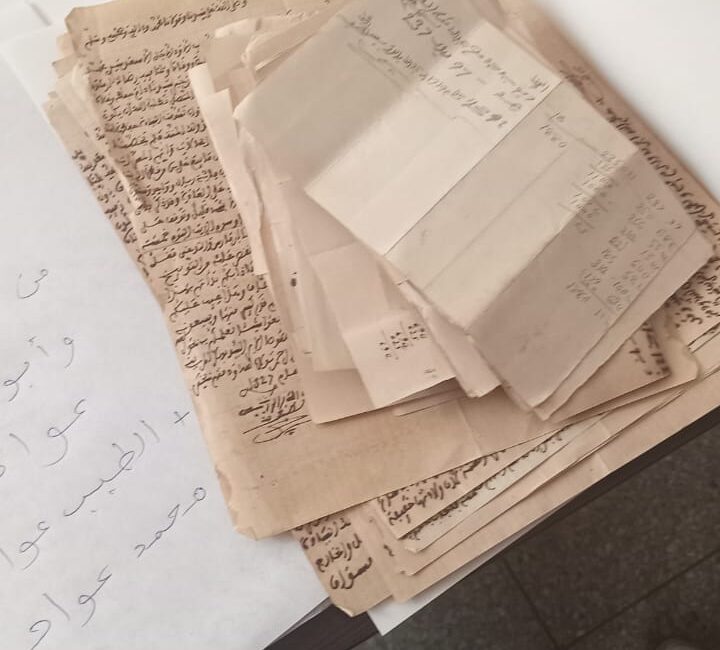
Following years of research into collective memory through various exhibitions and festivals, the Dar Bellarj Foundation established the « Popular Community Archives » project. This initiative was created to fill the void of independent archival spaces in Marrakech and to provide a platform for decolonial, non-institutional research. The project envisioned a community-managed center—both physical and virtual—dedicated to collecting and sharing the city’s cultural practices and history.
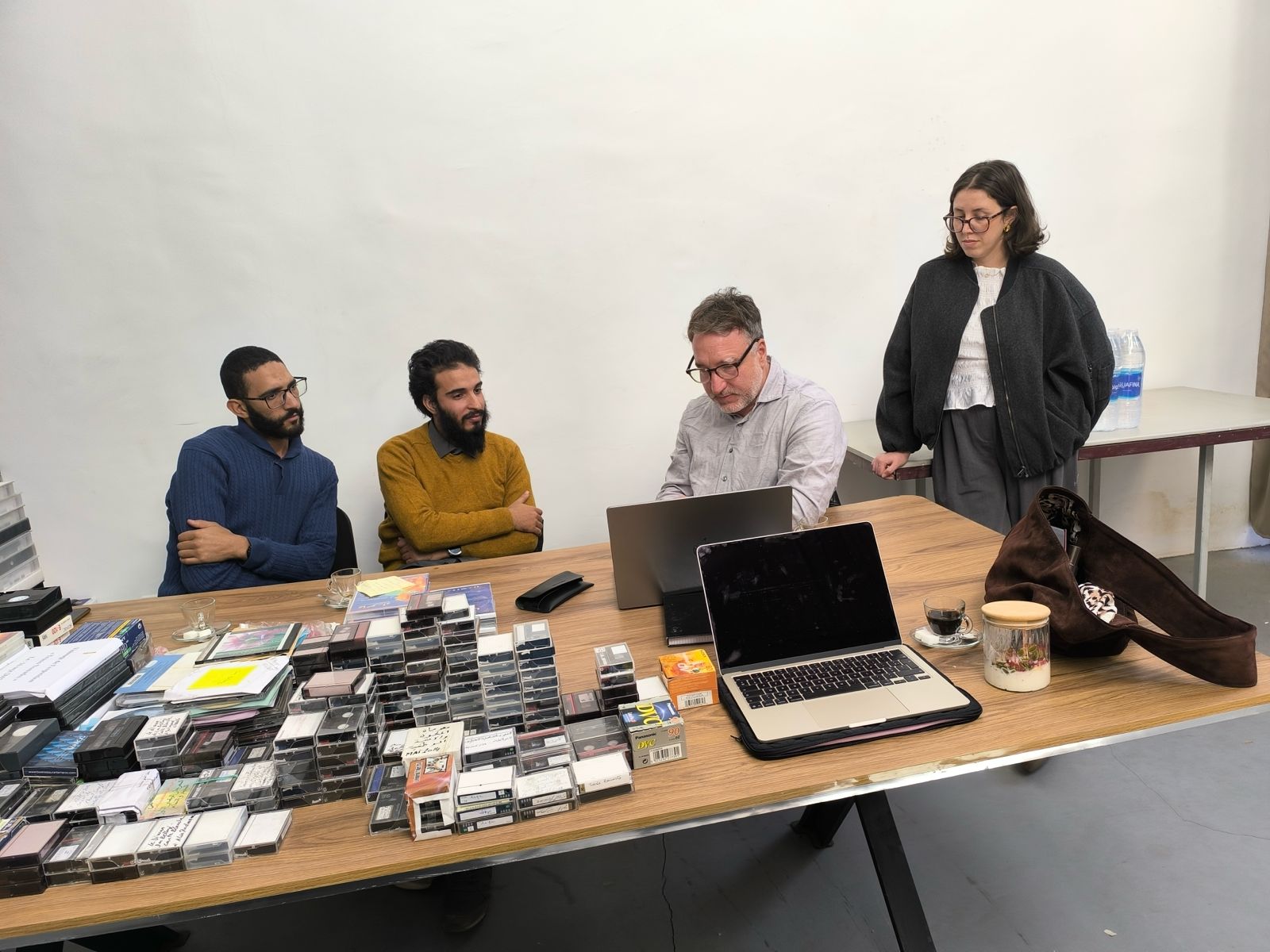
The project began its training phase in February 2025, aimed at equipping a small group of five participants with the tools to manage these archives. The selected artists and researchers engaged in a year-long program consisting of intensive evening workshops. The comprehensive curriculum included:
- Theoretical Foundations: Exploring the history and decolonial theories of community archives.
- Technical Skills: Training in classification, organization, digitization, and the use of archival software.
- Practical Application: Launching micro-research projects, learning field collection methods, and managing various media like sound and film.
- Institutional Exposure: Participating in study trips to national and private archival institutions.
By facilitating this training, the foundation sought to democratize historiography and elevate underrepresented narratives from the Médina and the working class. This ongoing effort aimed to create a self-sustaining, horizontal archive that remained open and accessible to all citizens and researchers.