h

Dar Bellarj

Ch[a]rita / السِّيس 2026

Applying Roland Barthes’ semiotics to Marrakesh, this text reveals how the city’s official, commodified urban language is actively challenged and rewritten by artists at the Charita Festival who use public art to subvert power dynamics and reclaim silenced histories.

Drawing on Roland Barthes’ Semiology & Urbanism, this text views the city as a living text where architectural layouts reflect socio-political power struggles. Focusing on Marrakesh, it highlights a profound urban disconnect: the city has lost its singular center to decentralized peripheral hubs, while its iconic Jemaa El Fna square has been commodified into a tourist attraction void of its original cultural meaning. This creates a conflict between a top-down, official urban narrative and the authentic reality of its residents. To combat this sanitization, the Charita Festival frames artists as agents of a "linguistic counter-hijacking." Through diverse public interventions—such as Nikki Kohandel’s murals, Ana Hna’s choreographic and sonic archiving, and Belghiti and Zouine’s rural-focused installations—artists subvert dominant narratives. Channeling Victor Hugo’s warnings against erasing history, the festival reads Marrakesh like a multi-layered book, fighting to preserve and rewrite its millennial vocabulary.

By synthesizing Roland Barthes’ Semiology & Urbanism with the radical potential of public art, this text conceptualizes the city as a grammatical entity where urban spaces reflect deep-seated power dynamics, class clashes, and political control.

Using Marrakesh as a case study, the text exposes a fractured urban vocabulary. The city has shifted from a singular center into decentralized peripheral hubs (like Massira and Mhamed). Concurrently, Jemaa El Fna has suffered a semantic split: globally marketed as the city’s traditional soul, the death of its old masters has left it a hollowed-out tourist attraction. This reveals a stark conflict between an official, top-down language used by authorities to remodel urban space, and the secret, authentic language of its inhabitants.


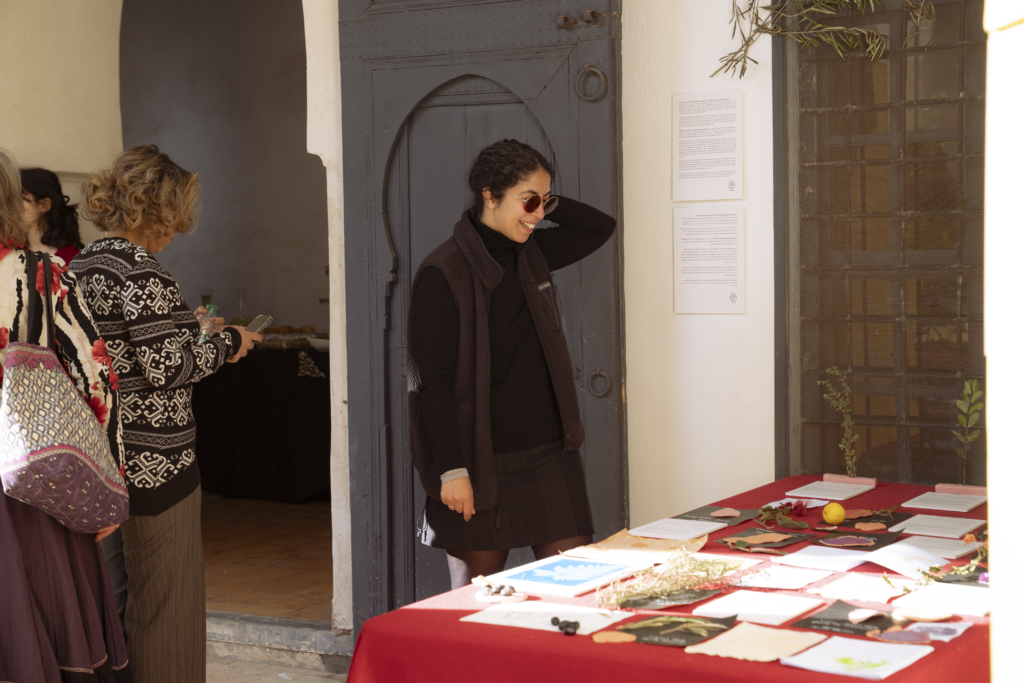
The 2026 Charita Festival positions art as the ultimate tool for a “linguistic counter-hijacking” to reclaim this lost meaning. Artists step in to subvert established signifiers and amplify silenced narratives:

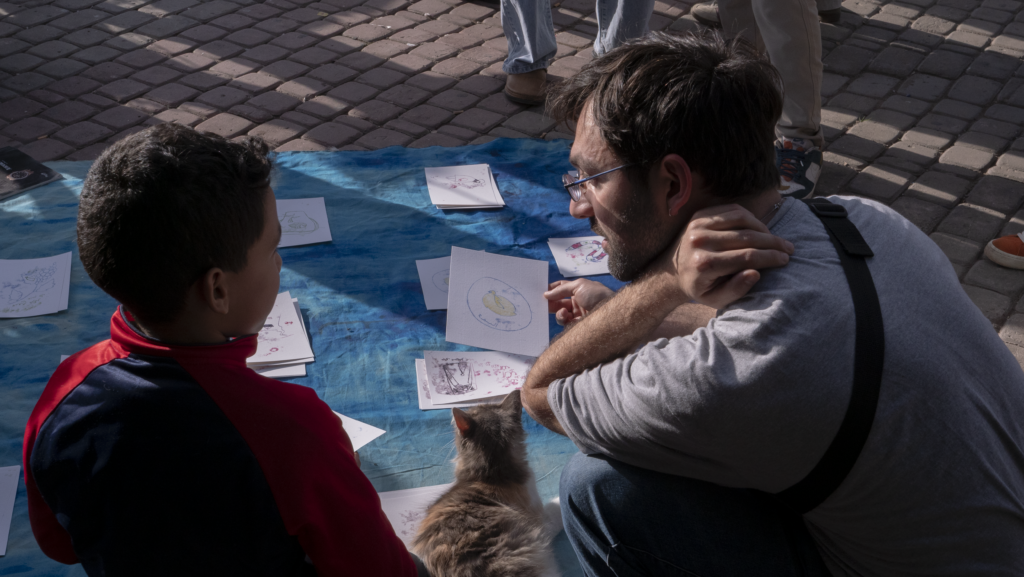
  • Nikki Kohandel overwrites urban walls with children’s imaginaries.
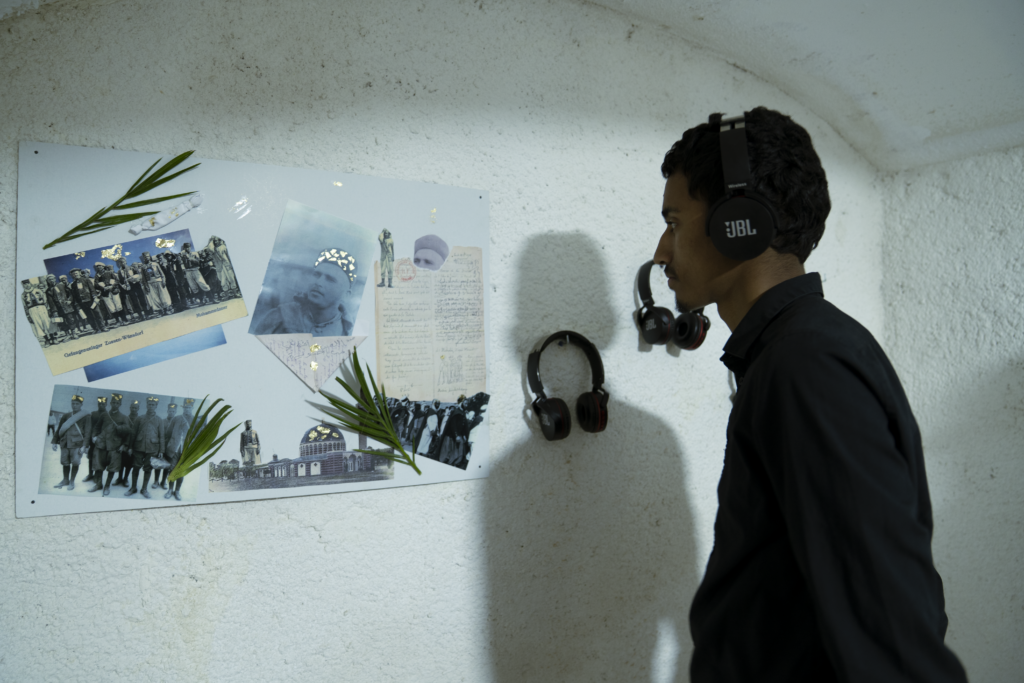
  • The Ana Hna collective translates the Medina’s sonic and structural transformations through dance.
  • Souki Belghiti and Khaoula Zouine integrate rural voices and ecological relationships into the urban dialogue.


Ultimately, the festival invites us to read Marrakesh like an ancient book. Invoking Victor Hugo’s historical warning against ripping out the old pages of our cities, this combined narrative argues that public art is essential to resisting urban amnesia, ensuring that Marrakesh’s millennial, multi-layered identity is deciphered and preserved rather than erased.