
Fondation Dar Belarj Située au cœur de la Médina de Marrakech
Fondation Dar Belarj Située au cœur de la Médina de Marrakech

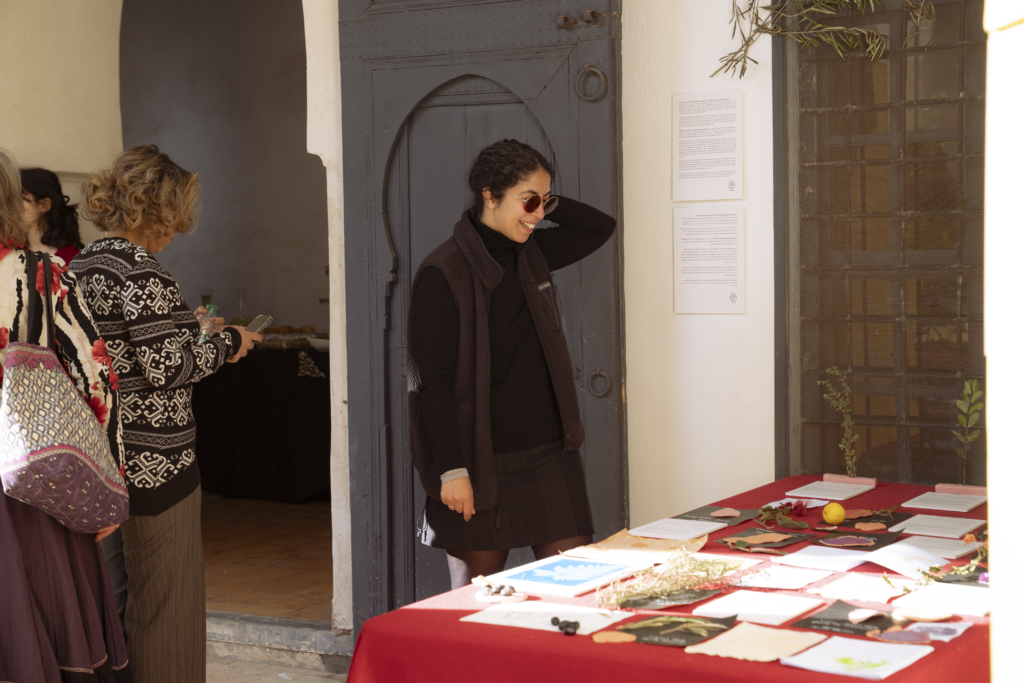
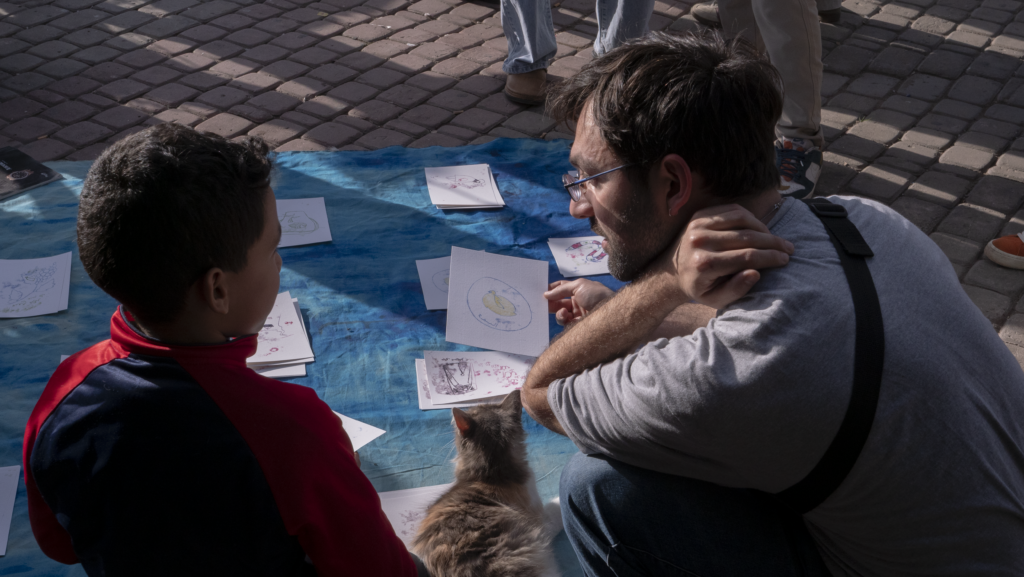
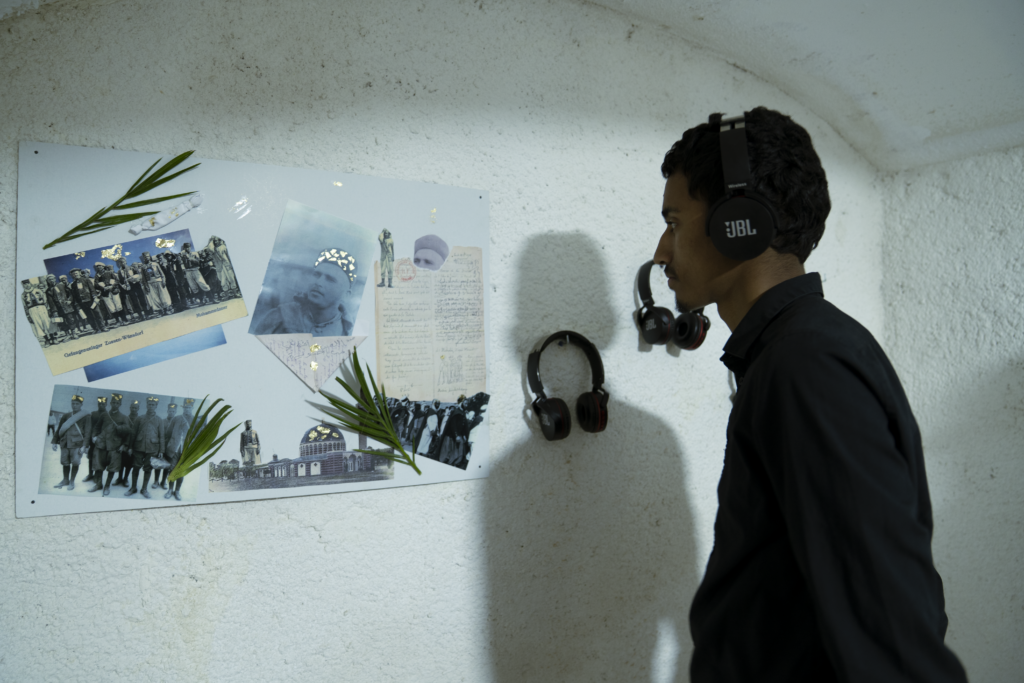

S’appuyant sur « Sémiologie et urbanisme » de Roland Barthes, ce texte considère la ville comme un texte vivant, dans lequel les configurations architecturales reflètent les rapports de force sociopolitiques. En se concentrant sur Marrakech, il met en évidence une profonde rupture urbaine : la ville a perdu son centre unique au profit de pôles périphériques décentralisés, tandis que son emblématique place Jemaa El Fna a été transformée en attraction touristique soumise à la marchandisation, vidée de son sens culturel originel.Cette situation crée un conflit entre un récit urbain officiel, imposé de manière descendante, et la réalité vécue par les habitants de la ville. Pour lutter contre cette forme de normalisation, le festival Ch[a]rita présente les artistes comme des acteurs d’un « contre-détournement linguistique ». À travers diverses interventions dans l’espace public — telles que les fresques murales de Nikki Kohandel, l’archivage chorégraphique et sonore du collectif Ana Hna, ainsi que les installations de Belghiti et Zouine centrées sur le monde rural — les artistes subvertissent les récits dominants.S’inspirant des mises en garde de Victor Hugo contre l’effacement de l’histoire, le festival lit Marrakech comme un livre à plusieurs strates, cherchant à préserver et à réécrire son vocabulaire millénaire.