Research Introduction:
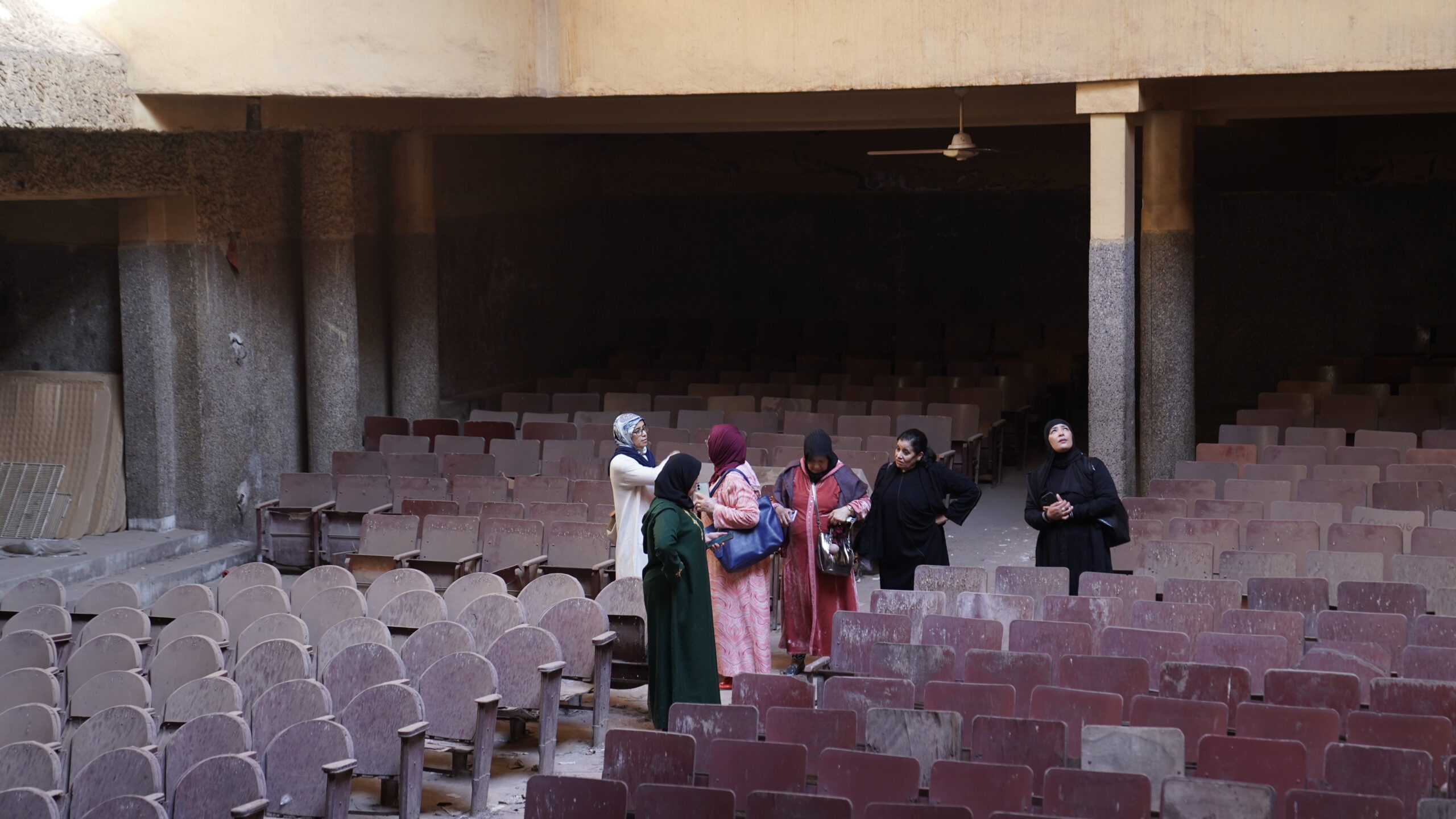
Alongside the establishment of the French Protectorate in Morocco in 1912, propagandist newsreels were filmed and public screenings were organized throughout the country, including in Marrakech. Actual cinemas were subsequently built in the new city as well as in the medina. These cinemas flourished over the following decades throughout the city. Most neighbourhoods had their own cinema, and sometimes even several, as was the case in Guéliz, Daoudiate and the medina. These cinemas often served as major leisure venues and, in many neighbourhoods, were the only cultural facilities available.
From 1956 onwards, under newly independent Morocco, cinemas built by Europeans during the colonial period were gradually taken over by Moroccans, and new cinemas were opened, such as the Hamra and Zahra in the medina of Marrakech.
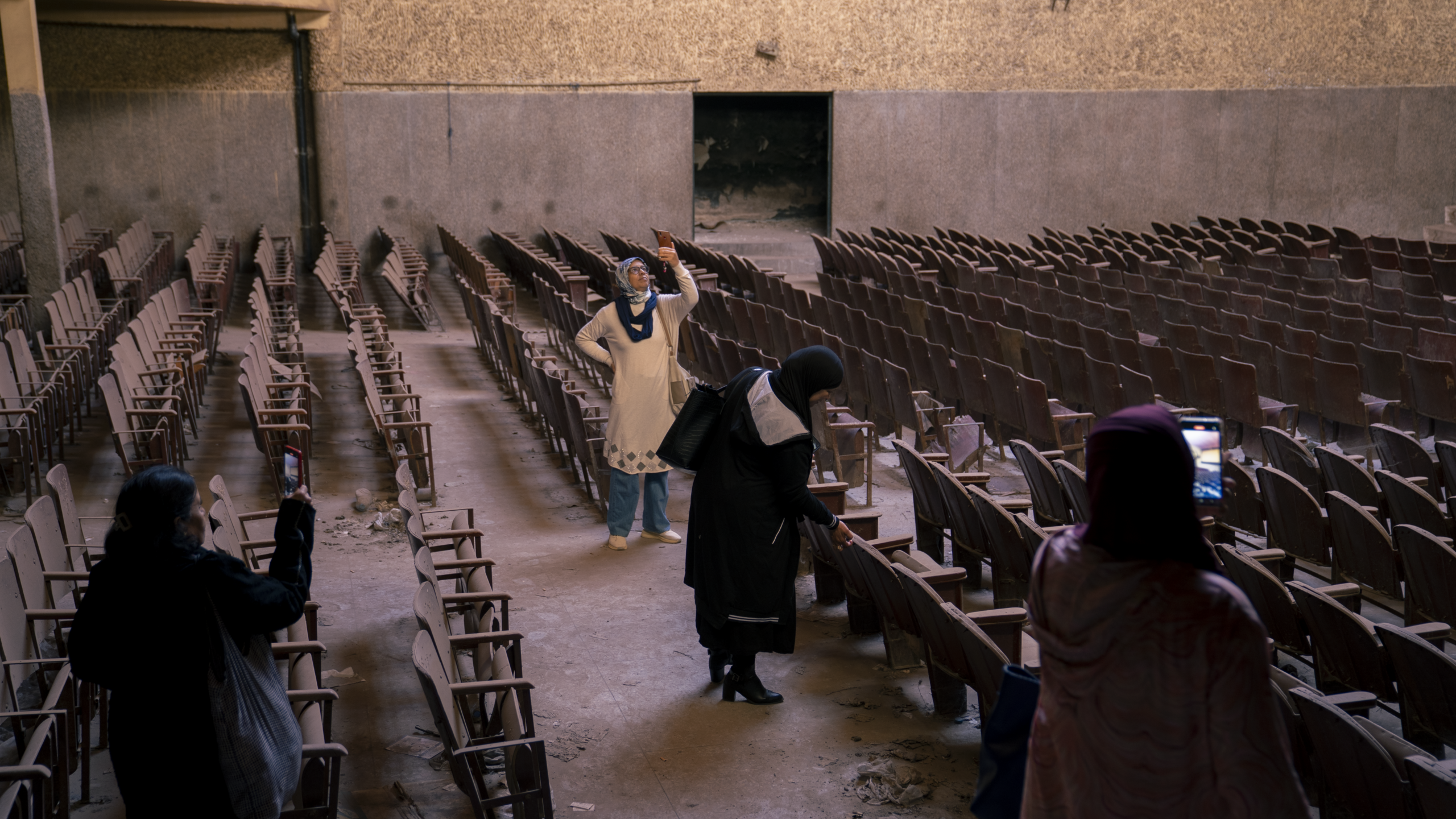
However, and later than in other countries due to their more recent introduction in Morocco, television and VHS, both official and pirated, gradually drew Moroccan audiences away from these cinemas. The questionable maintenance of some of them, resulting in poor comfort and inadequate projection quality, as well as the limited exposure to culture and the arts in schools and family circles, also contributed — and above all — to this growing disaffection. Many of these cinemas began to close. Among Marrakech’s older cinemas, the Colisée, inaugurated in 1953 in Guéliz, is still operating, which is very little compared with the many others whose doors have closed. Founded in 2007, the association Save Cinemas in Morocco has contributed to efforts to preserve cinemas considered part of the national heritage. Unfortunately, these efforts have not protected them from deterioration: today, most are abandoned spaces or, at best, have been repurposed, like the Régent, which was converted into a residential building; the Mabrouka, transformed into a restaurant-bar, with only a small screening room remaining for corporate events; or the Paris, which has become a garage and petrol station.
Paradoxically, the French cinema chain Megarama began opening multiplexes in several cities across the Kingdom from 2002 onwards. The Marrakech multiplex opened in 2006. CinéAtlas, Cinerji and Pathé are currently developing other multiplex projects. Yet neither Megarama nor any of these future cinemas, which are primarily intended for a relatively affluent clientele, are located in central Marrakech, let alone in its medina, which is home to more than 80,000 inhabitants and attracted nearly four million tourists in 2024.
The medina was also home to more than half of the city’s cinemas, which were built there and flourished over the years.
The population of the Marrakech medina, with all its sociocultural diversity and once highly accustomed to attending cinemas offering varied programmes and affordable prices, has thus been deprived, since the 2000s, of the window onto the world offered by the Seventh Art.
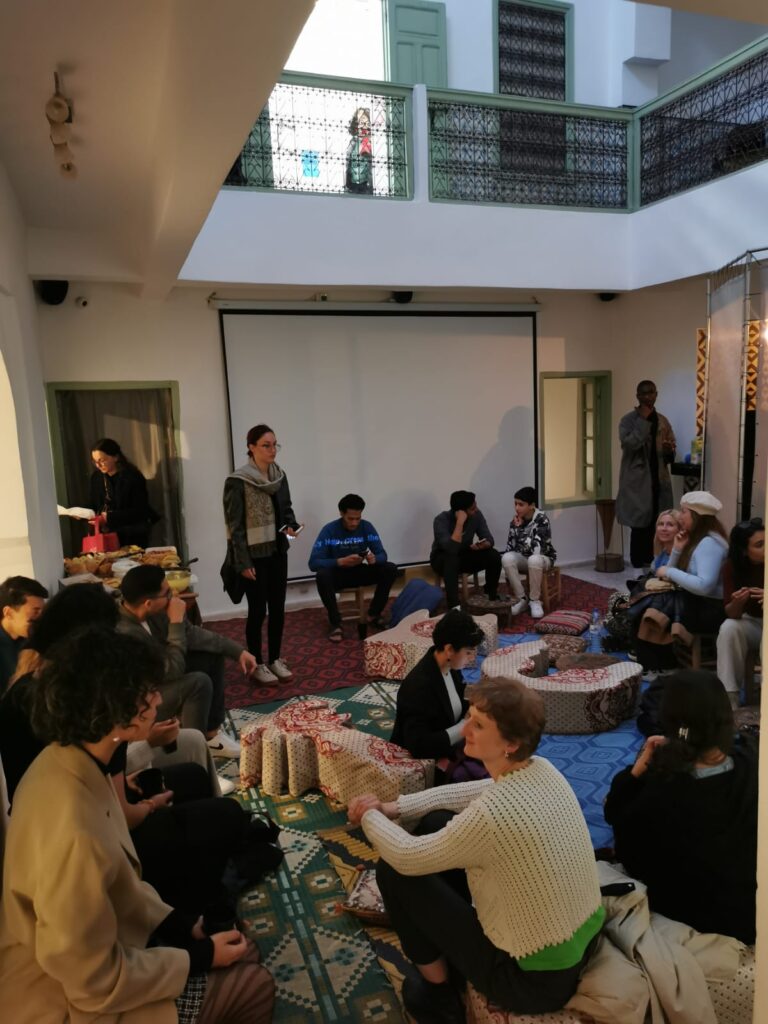
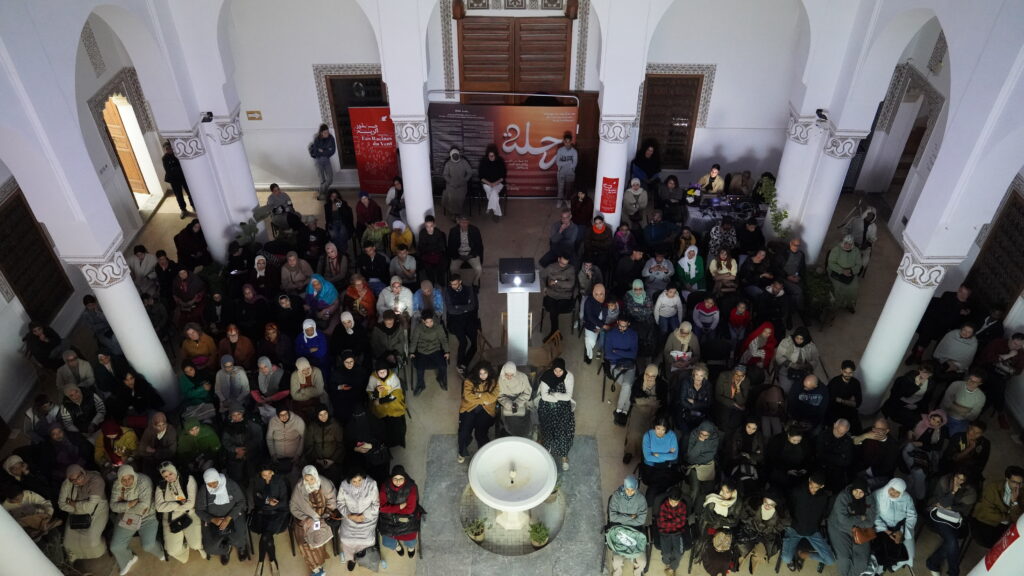
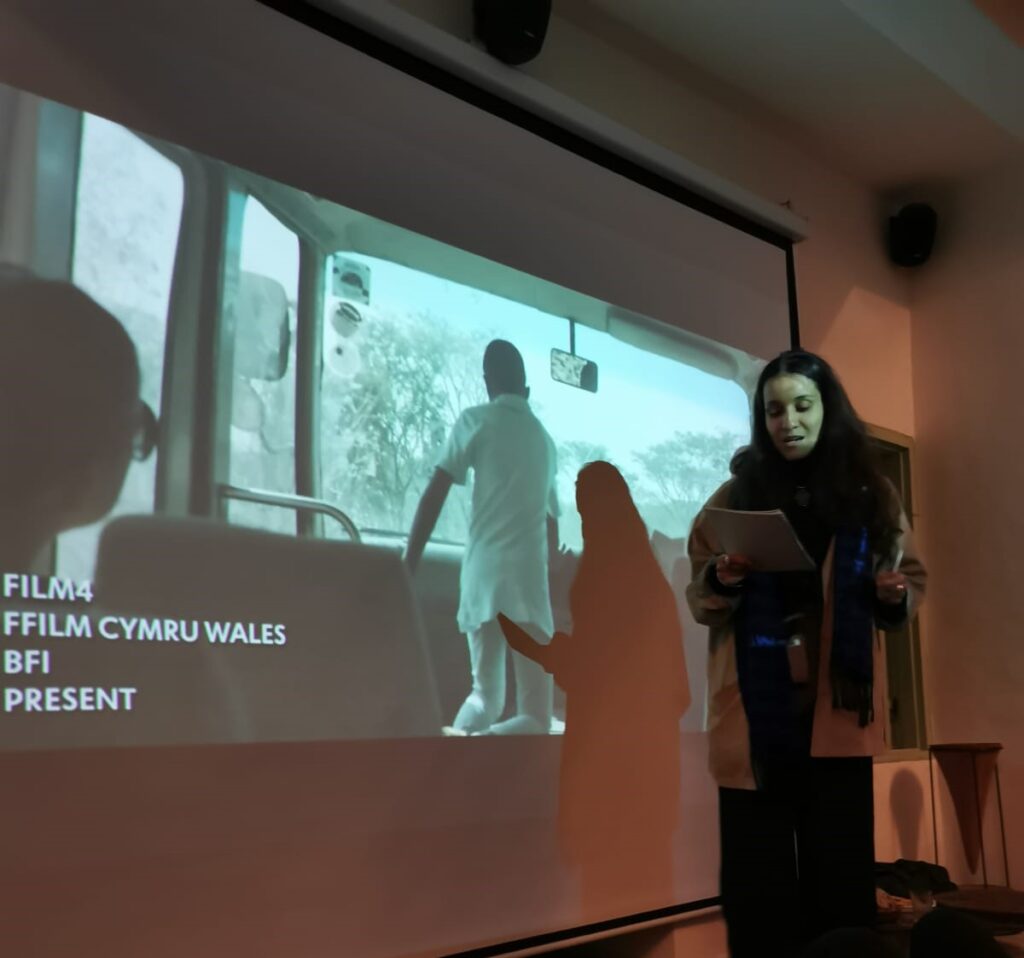
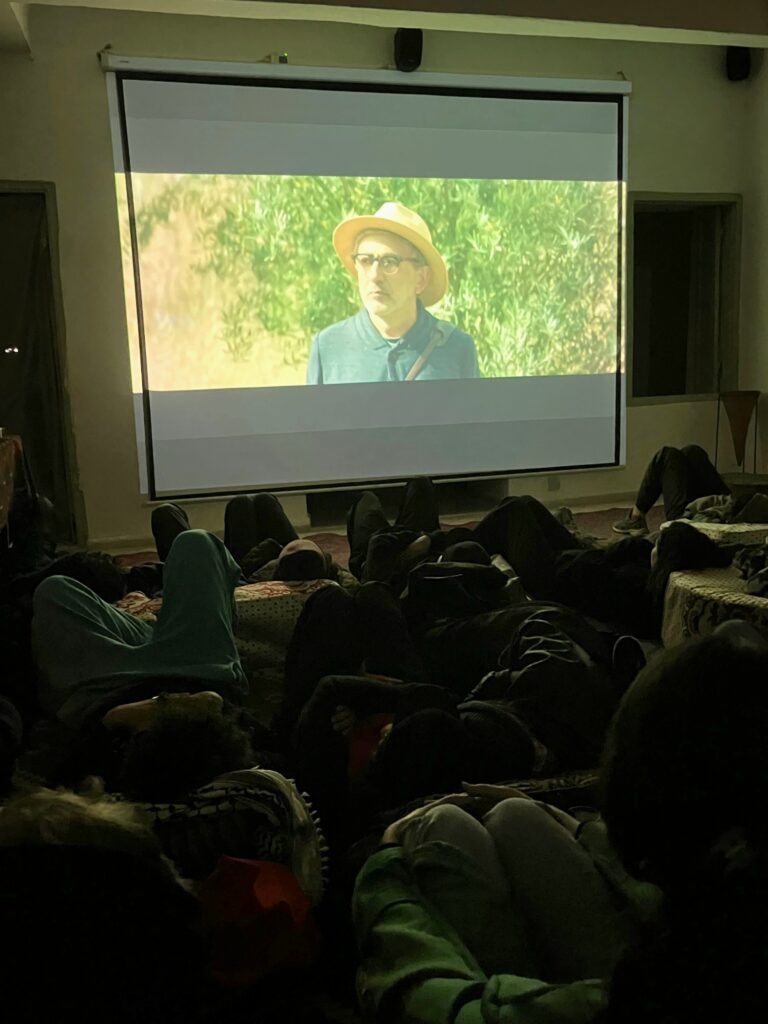
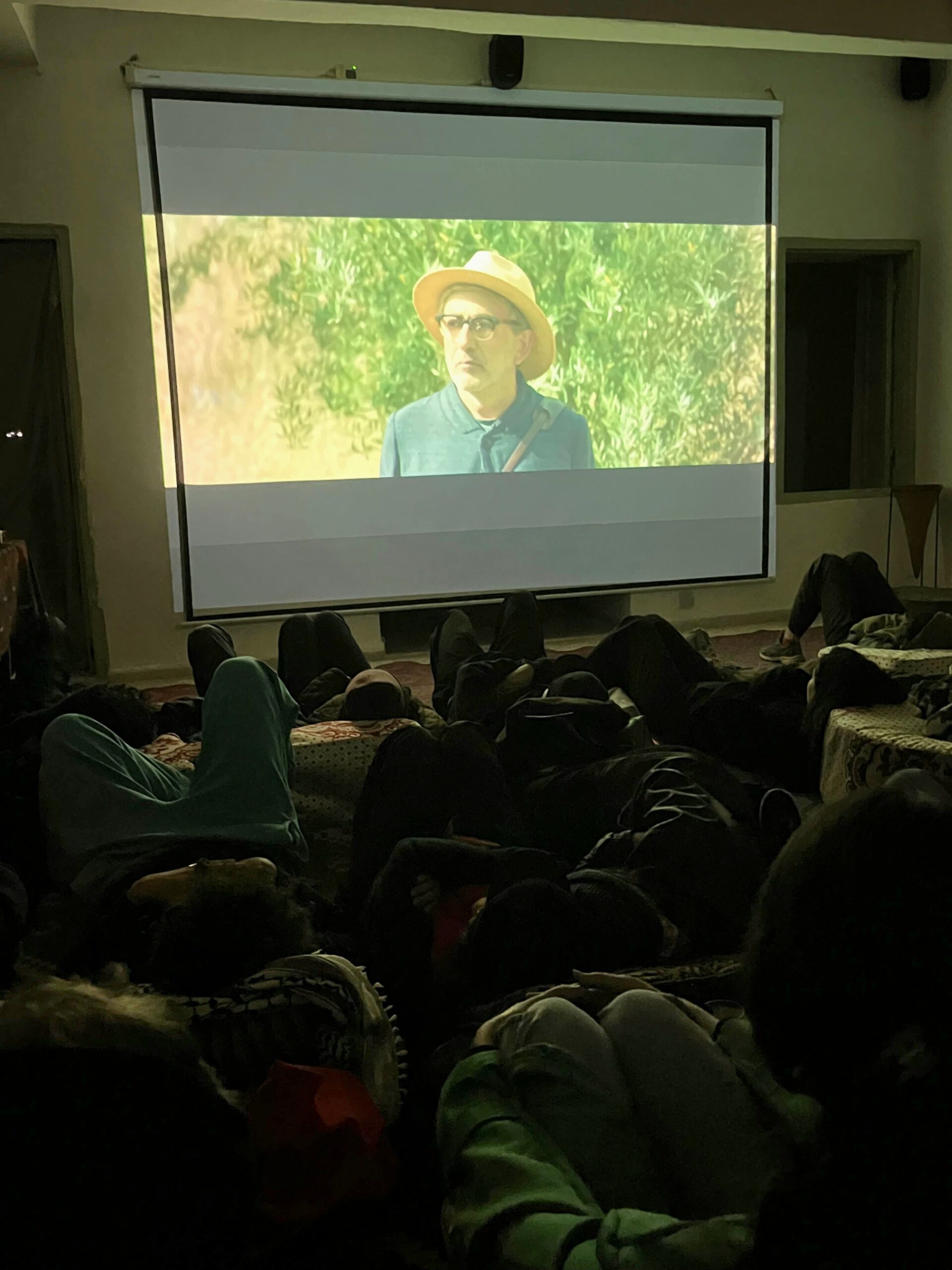
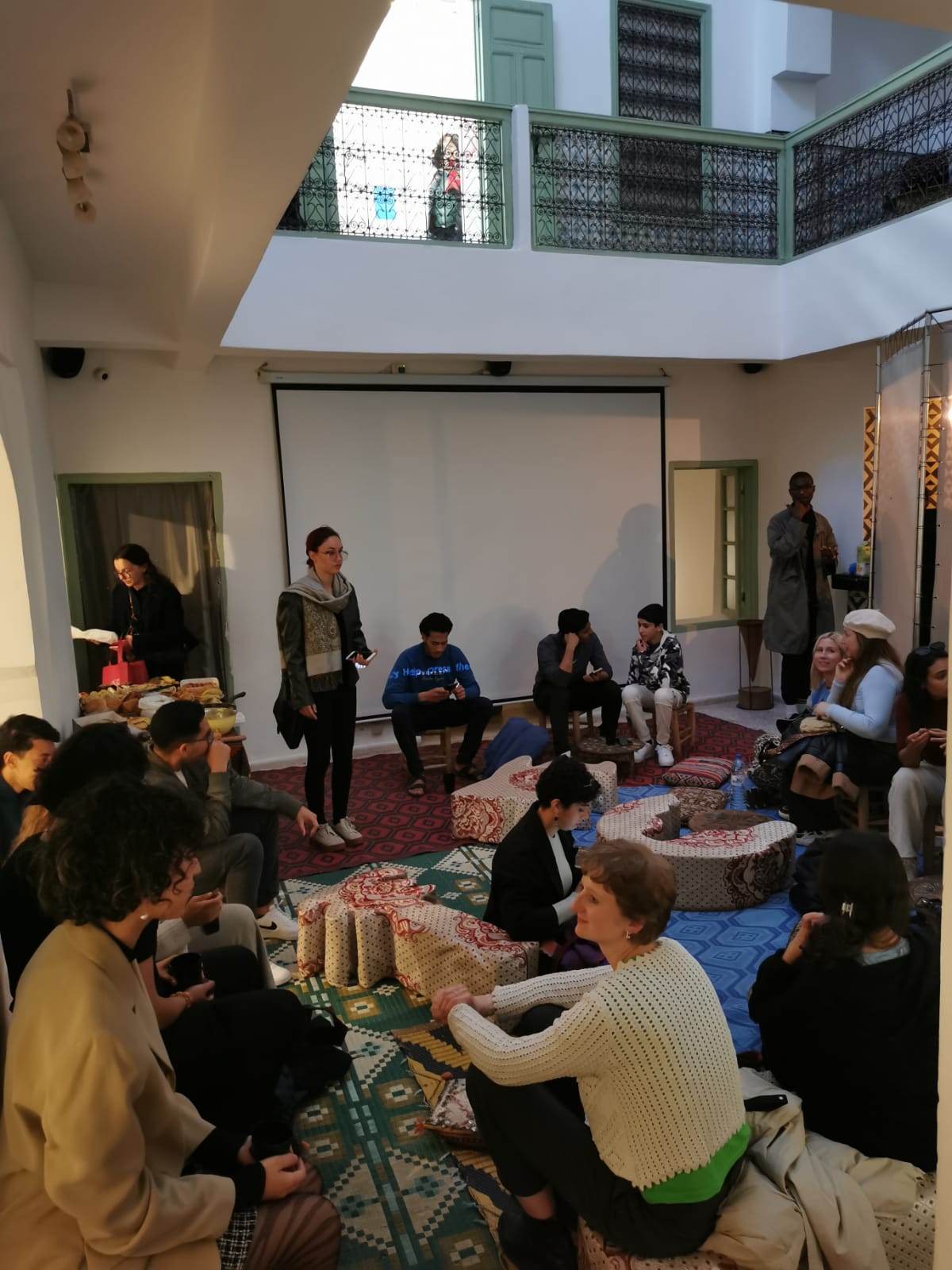
Under these circumstances, and in the absence of the means and authorizations required to reopen these cinemas or build new ones, what possibilities exist for reviving the pleasure of collectively discovering a film on the big screen?